Albania Vs Djibouti Two Flags: A Practical Guide to Using Country Flag Comparisons in Design
When it comes to creating visual content that represents national identity, the use of flags is both powerful and symbolic. The Albania vs Djibouti two flags concept has become increasingly popular for designers, marketers, educators, and content creators who want to visually compare or contrast these two countries. Whether you're designing a presentation, infographic, website banner, or educational material, understanding how to effectively use and differentiate between the official country flags of Albania and Djibouti is essential.
What Is the Albania vs Djibouti Two Flags Concept?
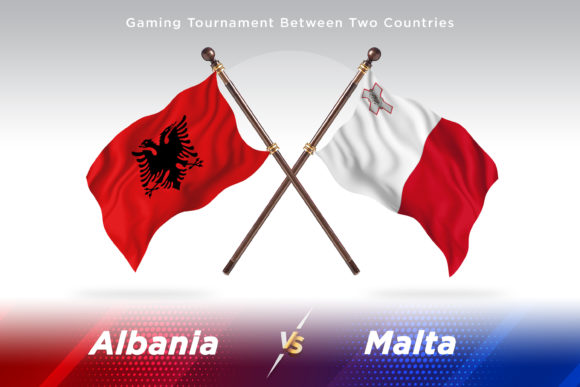
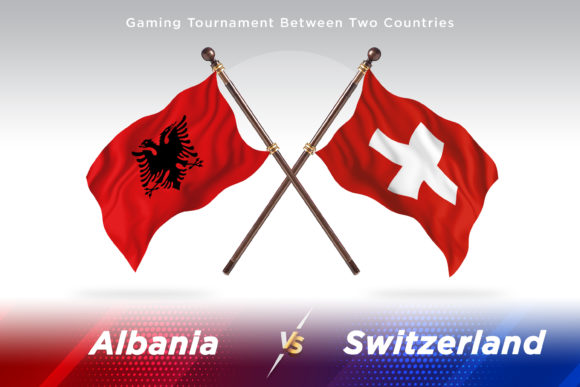
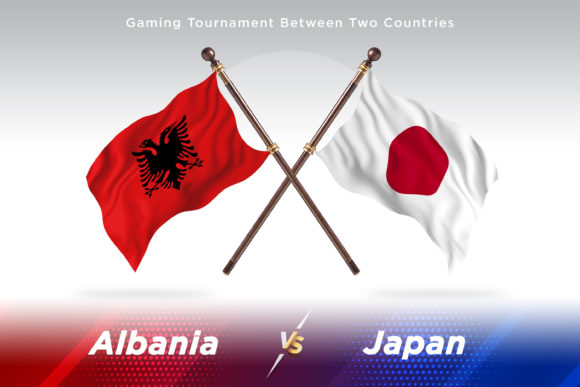
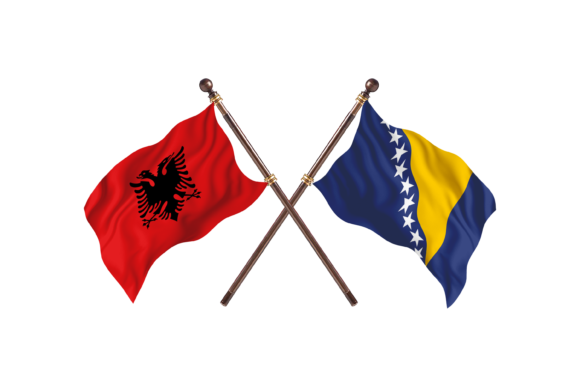
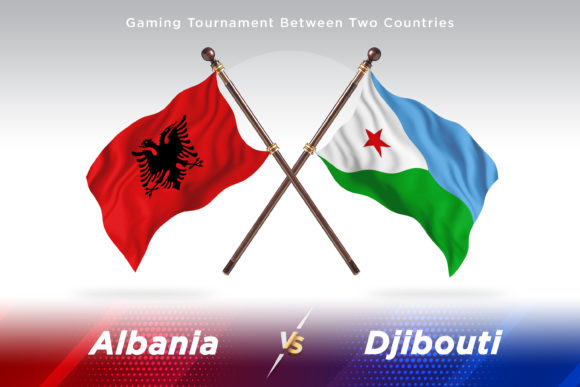
The Albania vs Djibouti two flags illustration refers to a design resource where the national flags of Albania and Djibouti are displayed side by side. These illustrations often show the flags in a waving 3D position, set against an isolated background, making them ideal for digital presentations, marketing materials, or social media posts that highlight geographical or cultural contrasts.
Such designs typically come with high-resolution formats like PSD, JPEG, and PNG. Each flag is placed on its own layer within the PSD file, allowing for easy customization through smart objects. This level of organization makes the files suitable for both beginners and professionals looking to edit their designs efficiently without compromising quality.
Why People Are Interested in This Concept
There are several reasons why the Albania vs Djibouti two flags illustration is gaining traction:
- Cultural Awareness: Educators and content creators use these visuals to teach about different nations, their histories, and identities.
- Marketing Campaigns: Businesses involved in international trade or travel services may use such illustrations to represent diverse markets or destinations.
- Graphic Design Projects: Designers working on global themes benefit from using accurate and scalable flag representations in their work.
- Event Branding: For events involving multiple countries, having clear, editable flag graphics can help in crafting cohesive branding and promotional materials.
Common Mistakes When Working With Official Country Flags
Working with national flags requires care and attention to detail. Here are some common mistakes people make when using the Albania vs Djibouti two flags concept:
1. Using Low-Resolution or Incorrect File Formats
Many users overlook the importance of using high-quality images. If your design project involves close-ups or large prints, low-resolution JPEGs or PNGs will appear pixelated and unprofessional. Always check if the provided file includes a PSD version for maximum editing flexibility and resolution control.
2. Misplacing or Distorting the Flag Proportions
National flags have specific proportions and color codes. Altering these can lead to misrepresentation and even legal issues in some cases. When placing the Albania and Djibouti flags in your design, ensure they maintain their correct aspect ratios and are not stretched or skewed.
3. Not Respecting Cultural Sensitivity
Flags are more than just symbols; they represent the pride and heritage of entire populations. It's important to treat them with respect in any context. Avoid using them inappropriately (e.g., as part of jokes or in offensive imagery), and always verify that your usage aligns with cultural norms and expectations.
4. Assuming All Flag Designs Are Interchangeable
Some users assume that all flag illustrations are created equal, but this isn't true. Many free stock images online feature stylized or inaccurate versions of flags. The official country flags from the Albania vs Djibouti two flags bundle, however, are designed with precision and authenticity, ensuring you get the right representation every time.
How These Mistakes Can Impact Your Work
Missteps in handling country flags can affect various aspects of your project:
- Usability: Poorly scaled flags might look unappealing or unreadable on different screen sizes.
- Professionalism: Inaccurate or distorted flags can reduce the perceived quality of your design or content.
- Cost: Re-doing a design due to flag inaccuracies wastes time and resources.
- Communication: Flags serve as quick visual identifiers. Using incorrect ones can confuse your audience or mislead them.
- Satisfaction: Clients and end-users expect professionalism and accuracy—especially when national symbols are involved.
Practical Tips to Avoid Common Errors
To make the most out of the Albania vs Djibouti two flags design bundle, follow these best practices:
Use Smart Objects for Easy Editing
If you're using the PSD file, take advantage of the smart object layers. They allow you to scale, rotate, and apply effects without losing image quality. This is especially useful when integrating the flags into other graphic elements or backgrounds.
Check for Proper Layer Organization
A well-organized PSD file means each flag is on a separate layer with clear naming conventions. This makes it simple to modify one without affecting the other. Make sure the layers are labeled correctly before beginning your edits.
Verify Color Accuracy
Both the Albanian and Djibouti flags use blue, red, and green hues—but the exact shades vary. Use the CMYK or RGB values provided in the design notes to ensure the colors match the official standards. This step is crucial for print and digital consistency.
Consider the Context of Use
Ask yourself: Will the flags be used in a formal setting? Do I need them to be interactive or animated? Understanding the purpose helps determine which format (JPEG, PNG, or PSD) is most appropriate. For example, PNG is great for transparency, while JPEG works better for web-based use with smaller file sizes.
Don’t Assume You Have All the Flags You Need
If your project requires additional flags beyond Albania and Djibouti, don't guess or improvise. Reach out to the designer or source provider and ask for the correct official country flags. Trying to replicate or alter existing flags can result in errors or poor-quality output.
Realistic Examples of Better Approaches
Here’s how the Albania vs Djibouti two flags concept can be applied effectively:
- Infographics: Show a comparison between the two countries using their flags at the top or bottom of the chart. Ensure the flags are centered and clearly visible.
- Website Headers: Use the flags as part of a header for a blog post about Balkan-African relations or tourism opportunities between the regions.
- Social Media Posts: Create a split-screen layout where each flag is accompanied by key facts about the country. This adds visual interest and encourages engagement.
- Event Posters: Feature the flags prominently to signal the event’s international theme or participation.
What to Check Before Making a Decision
Before downloading or purchasing the Albania vs Djibouti two flags design, consider the following:
- File Quality: Confirm the resolution (e.g., 4500 x 3000 px) is sufficient for your intended use.
- Licensing Terms: Know whether the design is royalty-free or requires attribution, especially if you’re planning commercial use.
- Customization Options: Look for bundles that offer smart objects and layered PSD files for easier editing.
- Additional Needs: If you require more flags or variations, communicate this early to avoid delays or last-minute fixes.
- Relevance: Ensure the comparison between Albania and Djibouti serves a meaningful purpose in your project. Otherwise, it may come off as forced or irrelevant.
Final Thoughts on Choosing the Right Flag Illustrations
Using the Albania vs Djibouti two flags concept in your design can add depth and clarity to your message, but only if done correctly. By avoiding common pitfalls and leveraging the features of the provided design files—like smart objects and organized layers—you can create professional, accurate, and impactful visuals that resonate with your audience.
Whether you're an entrepreneur preparing a pitch deck, a marketer launching a campaign, or an educator developing a lesson plan, the right flag illustration can enhance your message. Just remember to approach it with care, precision, and an eye for quality. And if you find you need more flags or customizations, don’t hesitate to ask for what you need—it’s better to get it right the first time.