Multilayer Laser Cut File KITTY: A Versatile Design for Creative Projects
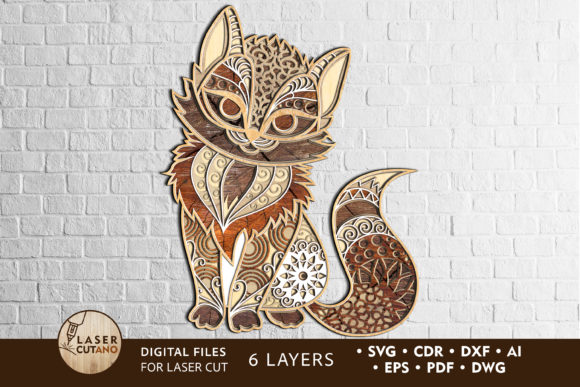
The Multilayer Laser Cut File KITTY represents a compelling option for creators who want to add dimension and artistry to their laser-cut or CNC projects. This design is more than just an image of a cat—it’s a layered, scalable, and adaptable template that brings depth and visual interest to any space where it's installed. Whether you're designing a nursery, creating a custom wall hanging, or planning a decorative piece for your home or office, the KITTY file offers a unique approach that stands out from flat, single-layer designs.
What Is the Multilayer Laser Cut File KITTY?
The Multilayer Laser Cut File KITTY is a digital layout specifically formatted for use with laser cutters, CNC routers, and similar precision cutting machines. It consists of six distinct layers, each designed to be cut separately and then assembled to form a 3D-like structure when viewed together. The overall dimensions of the finished product are approximately 15.8 x 20.2 inches (40 x 51 cm), making it a substantial yet manageable size for many interior applications.
This design is ideal for those looking to create a tactile and visually engaging piece without requiring complex construction techniques. Each layer can be manipulated individually, allowing for customization in color, material, and presentation. The layered effect not only adds depth but also provides an opportunity for creative assembly, such as using different materials for each level or varying paint finishes to highlight individual components.
Supported File Formats and Compatibility
One of the key strengths of the Multilayer Laser Cut File KITTY is its broad compatibility with various design software and cutting equipment. Upon purchase, users receive a .zip folder containing the following formats:
- .AI – Adobe Illustrator format for vector editing
- .SVG – Scalable Vector Graphics suitable for most laser cutter software
- .DXF – Drawing Exchange Format used by CAD programs
- .DWG – Commonly used in AutoCAD and other engineering software
- .CDR – CorelDRAW native file type
- .EPS – Encapsulated PostScript for high-quality printing and scaling
- .PDF – Portable Document Format for reference and basic layout review
This variety ensures that whether you’re working with professional-grade tools or hobbyist-friendly platforms like Cricut, you’ll have access to a format that suits your workflow. Before using the files, it's essential to extract them from the .zip folder to maintain file integrity and accessibility.
Recommended Materials and Thickness
To achieve the best results, the manufacturer recommends using materials such as:
- Plywood
- MDF (Medium-Density Fiberboard)
- Acrylic or Plexiglas
- Metal sheets (for advanced users)
- Cardboard
- Paper
The ideal thickness for wood-based materials is between 3–6 mm (approximately 1/8 inch to 1/4 inch). This range allows for clean cuts while maintaining structural stability when assembling multiple layers. For materials like acrylic or metal, users should consider both machine capabilities and desired aesthetic outcomes before proceeding.
It’s important to note that the design can be scaled up, which is beneficial if you want a larger focal point for a room or display. However, scaling down requires caution, especially when thin elements are involved. Reducing the design too much may result in fragile or difficult-to-assemble pieces due to the intricate detailing present in the layered structure.
Design Quality and Usability
From a technical standpoint, the Multilayer Laser Cut File KITTY is well-organized and precise. The layers are clearly separated, making it easy to identify which parts go together during the assembly process. This clarity is particularly helpful for beginners who might be new to multilayer laser cutting.
The design itself features a stylized feline figure, which has been thoughtfully segmented into layers that enhance the sense of movement and three-dimensionality. While the style is modern and artistic, it remains versatile enough to fit into a wide range of interior themes—from minimalist to whimsical.
In terms of usability, the file set is straightforward. Users familiar with laser cutting software will find it easy to import and adjust settings. Those less experienced may benefit from reviewing tutorials on how to handle multilayered SVGs or DXFs in their specific cutting platform.
Strengths and Practical Value
There are several reasons why the Multilayer Laser Cut File KITTY is worth considering for your next project:
- Dimensional Appeal: The 6-layer construction gives the final product a dynamic, almost sculptural quality that flat designs cannot replicate.
- Customization Potential: With the ability to modify colors and materials per layer, this design supports personalization, making it ideal for bespoke furniture, decor, or gifts.
- Scalability: The design can be enlarged to suit larger spaces or scaled down for smaller items, though careful attention must be paid to detail retention.
- Compatibility: Support for multiple file types makes it accessible to a wide audience, from DIY enthusiasts to professional designers.
- Educational Use: Teachers and educators can use this file as part of a lesson plan involving design, craftsmanship, or 3D modeling concepts.
Real-world applications include nursery decorations, personalized pet-themed furniture, art installations, and even commercial signage. For example, a small business owner might use the KITTY file to create a branded wall accent in a retail store, while a parent could transform it into a soft-backed wall panel for a child’s bedroom.
Who Benefits Most from the Multilayer Laser Cut File KITTY?
While this design is accessible to many, certain groups may find it particularly useful:
- Interior Designers: Looking for unique, customizable accents to differentiate their work and meet client preferences.
- Craft Enthusiasts: Individuals with access to a laser cutter or CNC router who enjoy experimenting with layered projects.
- Entrepreneurs and Small Business Owners: Seeking to produce original products for resale or branding purposes.
- Art Educators: Wanting to teach students about layered design, material properties, and digital fabrication.
- Homeowners and Decorators: Interested in adding a creative, eye-catching element to their living space.
For instance, a wedding planner might adapt the KITTY design to create a thematic centerpiece for a cat-loving couple, while a blogger could feature it as a tutorial project for their audience. The flexibility of the design allows it to be reimagined across industries and purposes.
Professional Observations and Limitations
Having evaluated numerous laser-cut templates, I can say that the Multilayer Laser Cut File KITTY holds up well in terms of complexity and execution. Its layered structure encourages thoughtful planning during the cutting and assembly stages, which is a plus for those aiming to build skills in multi-step fabrication projects.
However, there are some limitations to consider. First, the design assumes a moderate level of familiarity with laser cutting workflows. If you're entirely new to the process, you may need to invest time in learning how to properly manage layered files and align them during assembly. Second, while the recommended materials provide good results, alternative materials may require adjustments to power settings or post-processing steps.
Another consideration is the time investment needed for assembly. Since each layer must be glued carefully—preferably after painting—the total production time is longer than simple flat designs. But for those seeking a more hands-on, rewarding project, this can be a welcome challenge rather than a drawback.
How to Get Started with the Multilayer Laser Cut File KITTY
If you decide to proceed with the Multilayer Laser Cut File KITTY, here are a few practical tips to help you get the most out of it:
- Review the file in PDF format first to understand the full scope and layer breakdown.
- Test the design on a scrap material before committing to your chosen surface.
- Paint each layer individually before gluing to ensure vibrant and consistent coloring.
- Use a ruler or alignment tool when stacking layers to maintain symmetry and accuracy.
- Consider backing the final piece with foam board or mounting it directly to a wall for added durability.
Additionally, always double-check your machine’s specifications and adjust laser power, speed, and focus accordingly based on the material you choose. Some materials, like MDF, may require sanding after cutting to remove rough edges, while others, such as acrylic, might benefit from polishing for a smoother finish.
Long-Term Value and Project Durability
When evaluating long-term value, the Multilayer Laser Cut File KITTY performs well. The design is timeless in nature and doesn’t rely on fleeting trends, which means it can remain relevant in various contexts over years. Once completed, the piece is relatively durable depending on the material used and the care taken during assembly.
Wooden versions, especially those sealed with varnish or lacquer, can last for decades with minimal maintenance. Acrylic or metal models offer even greater longevity and resistance to wear, making them excellent choices for commercial or public spaces. The layered composition also allows for repairs or replacements of individual sections if needed, extending the life of the project further.
Final Thoughts
The Multilayer Laser Cut File KITTY is a well-crafted resource for anyone interested in combining creativity with precision cutting technology. Its layered structure introduces a new dimension to traditional laser-cut art, offering both visual appeal and a satisfying build experience. While it may not be suited for every beginner, its clear instructions and versatile format make it a valuable addition to the toolkit of intermediate to advanced users.
Ultimately, the decision to use this design depends on your specific goals and resources. If you're seeking a distinctive, customizable project that showcases the potential of layered laser cutting, the Multilayer Laser Cut File KITTY is a strong candidate. Just be prepared to dedicate time to the setup and assembly process to fully realize its artistic potential.