Albania Versus Benin Two Flags: A Visual Representation of National Identity and Design
In today’s digital age, visual elements play a crucial role in communication, branding, and storytelling. One such powerful symbol is the flag, which represents the identity, history, and culture of a nation. The concept of an "Albania versus Benin two flags" illustration is not only a striking design but also a meaningful way to explore the unique characteristics of these two countries through their official symbols.
What Is the Albania Versus Benin Two Flags Concept?
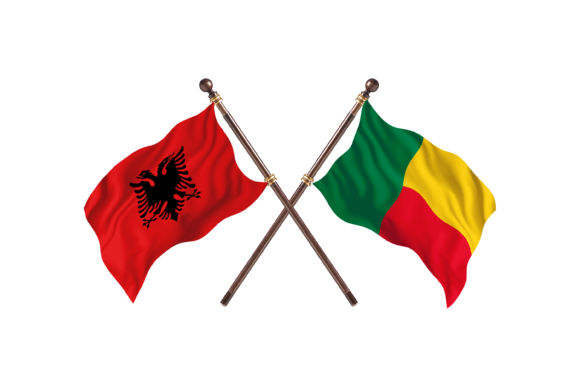
The "Albania versus Benin two flags" idea involves placing the official country flags of Albania and Benin side by side or in contrast within a single design. This type of illustration is often used for educational purposes, cultural comparisons, geopolitical discussions, or as part of creative projects like infographics, presentations, and social media content.
This illustration typically features both flags in high-resolution 3D waving positions, each isolated on its own layer within a design file. Such organization makes it easy to edit, reposition, or scale individual components without affecting the rest of the image. The final product may include formats like PSD, JPEG, and PNG, allowing users to modify the artwork using tools like Adobe Photoshop or simply use it as a static graphic.
Why Are Country Flags Important?
National flags are more than just colorful cloth — they carry deep meaning and serve multiple purposes:
- Symbol of Unity: A flag unites people under a common identity, representing shared values, history, and aspirations.
- Cultural Expression: Each flag tells a story through its colors, patterns, and symbols, reflecting the heritage and traditions of the country.
- International Recognition: In global settings, from sports events to diplomatic meetings, flags help identify and distinguish nations instantly.
- Marketing and Branding: Flags are frequently used in promotional materials, travel agencies, and international business to evoke national pride or target specific audiences.
When you place the Albanian flag next to the Beninese flag, you're essentially creating a visual dialogue between two distinct cultures and histories. This can be particularly useful in contexts such as world studies, geography lessons, or cross-cultural marketing campaigns.
The Flag of Albania
The Albanian flag is one of the simplest in the world. It consists of a red background with a black double-headed eagle at the center. The eagle symbolizes strength, freedom, and unity, while the red color is traditional in many Balkan nations, representing bravery and sacrifice.
This flag has a rich historical background, having been used during the Ottoman Empire's decline and later becoming the symbol of modern Albania. Its minimalistic design makes it highly recognizable and suitable for various applications, from digital illustrations to print media.
The Flag of Benin
The Beninese flag is composed of three vertical stripes: green on the left, yellow in the middle, and red on the right. These colors represent the natural resources, wealth, and progress of the country. Green symbolizes agriculture and forests, yellow stands for the country's mineral wealth and sunshine, and red honors the struggles for independence and national sovereignty.
At the center of the flag is a white five-pointed star, which signifies hope and the guiding light of the people. The flag was adopted when Benin (then known as Dahomey) gained independence from France in 1960, and it remains a proud emblem of the nation's journey toward self-determination.
How the Two Flags Illustration Works
An "Albania versus Benin two flags" illustration is usually designed with attention to detail and clarity. Here are some key features that make this type of illustration valuable and versatile:
- High-Resolution Files: The design is created at a resolution of 4500 x 3000 pixels, ensuring it looks sharp on any screen size or printed format.
- Layer Organization: Each flag is placed on a separate layer, making it simple to adjust colors, sizes, or positions individually.
- Smart Object Editing: Users can easily modify the flags via smart objects in Photoshop, allowing for seamless customization without compromising quality.
- Isolated Background: The background is clean and non-distracting, so the focus remains on the flags themselves.
- Proper Naming: Layers are clearly labeled with the names of the respective countries, enhancing usability and professionalism.
These features ensure that the illustration is not only visually appealing but also practical for designers, educators, and marketers who need flexibility and accuracy in their work.
Practical Uses of the Two Flags Illustration
Having access to a well-designed "Albania versus Benin two flags" illustration can open up numerous opportunities across different fields. Below are some common use cases:
Education and Research
Teachers and students often use flag illustrations to learn about geography, politics, and cultural diversity. Comparing flags side by side can lead to insightful discussions about symbolism, history, and national identity.
Business and Marketing
Companies operating internationally may use such visuals in reports, presentations, or promotional materials to emphasize their presence in or connection to certain regions. For example, a travel agency might use the illustration to highlight Albania and Benin as destinations, using the flags to add authenticity and appeal.
Graphic Design Projects
Designers working on event themes, web banners, or infographics related to international topics benefit from pre-made, editable flag illustrations. The ability to isolate and resize each flag ensures that the design remains professional and adaptable to different layouts.
Social Media and Content Creation
Content creators often rely on engaging visuals to attract attention. A clear and organized "Albania versus Benin two flags" image can serve as a backdrop for videos, posts, or articles discussing these countries, adding context and visual interest.
Creating Your Own Two Flags Illustration
If you’re interested in using or customizing an "Albania versus Benin two flags" illustration, here are some tips to help you get started:
- Use Smart Objects: When editing the flags in Photoshop, always work within the smart object layers to preserve the original quality.
- Experiment with Layouts: You can position the flags horizontally, vertically, or diagonally depending on your design needs.
- Add Text or Icons: To enhance the illustration, consider adding text labels, icons, or other relevant imagery that complements the flags.
- Customize Colors: While the original flags should remain accurate, you can create variations using similar color palettes for themed designs or branding purposes.
For those who need additional flags beyond Albania and Benin, it's possible to request them separately. Having a collection of official flags can significantly improve the scope and relevance of your design, especially if you're comparing multiple countries or creating a comprehensive visual guide.
Common Misconceptions About Country Flags
Despite their widespread use, there are several misconceptions about flags that even experienced designers sometimes fall into:
- Misplaced Symbols: Some flags have intricate symbols or coats of arms that must be positioned correctly according to official guidelines.
- Incorrect Color Ratios: Each flag has precise dimensions and color ratios that should be followed to maintain authenticity.
- Overlooking Cultural Significance: Flags are not just decorative; they carry historical and emotional weight. It's important to respect their meaning in design choices.
- Using Outdated Designs: Countries occasionally change their flags. Always verify that you're using the most current version to avoid inaccuracies.
A professionally crafted illustration like the "Albania versus Benin two flags" helps avoid these issues by providing verified, high-quality representations of the flags.
Flags in Modern Technology and Creativity
With the rise of digital platforms and online businesses, the importance of visual assets like country flags has grown significantly. They are now commonly used in:
- Website Design: To indicate language options, regional preferences, or to showcase global reach.
- Mobile Apps: As part of user interfaces for location-based services, news apps, or travel platforms.
- Virtual Events: Flags can be used in virtual conferences or online classrooms to represent participants from different countries.
- Brand Assets: Companies involved in international trade or diplomacy often incorporate flags into their branding strategy to reflect inclusivity and global awareness.
Thanks to advancements in 3D rendering and vector graphics, flags can now appear lifelike and dynamic in illustrations. This realism enhances the viewer's experience and adds a level of professionalism to any project.
Conclusion
The "Albania versus Benin two flags" illustration is more than just a visual element — it's a tool for education, creativity, and communication. Whether you're designing for a school presentation, a corporate report, or a social media campaign, having access to accurate and editable flag images can greatly enhance your message.
By understanding the significance of each flag and utilizing high-quality design files, you can effectively convey information and foster appreciation for the diverse cultures represented by Albania and Benin. As global connections continue to grow, the role of country flags in our daily lives and professional environments becomes increasingly relevant and impactful.