Albania Versus Uganda Two Flags: A Visual Concept for Global Branding and Design
Understanding the Significance of National Flags in Design Illustrations
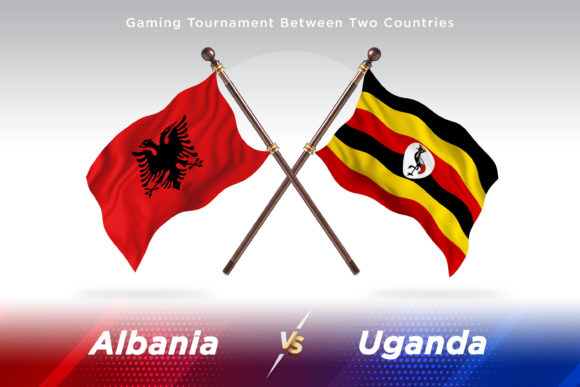
National flags are more than just symbols of identity; they represent culture, history, and the spirit of a nation. When designers choose to incorporate country flags into their work, especially in creative concepts such as "Albania versus Uganda Two Flags," they open up new possibilities for storytelling, branding, and visual communication. This concept illustration not only highlights the unique characteristics of Albania and Uganda but also serves as a powerful tool for global awareness and cross-cultural design.
The Role of Flags in Modern Graphic Design
In today’s digital world, graphic design plays a crucial role in how we perceive information. Flags, with their bold colors and recognizable shapes, are often used to create striking visuals that can be easily understood by audiences worldwide. The "Albania versus Uganda Two Flags" concept takes this a step further by positioning both flags in a dynamic 3D waving format on an isolated background. This allows for greater flexibility in design, enabling creators to integrate these flags seamlessly into marketing materials, educational content, or even cultural comparisons.
Technical Features of the "Albania Versus Uganda Two Flags" Illustration
This specific illustration is crafted to meet the needs of professionals who require high-quality, editable assets. It includes one PSD file (4500 x 3000 px), a JPEG version for quick sharing, and a PNG for transparency support. Each flag—Albania and Uganda—is placed on its own layer with the proper name labeled clearly, making it easy to modify individual elements without affecting the rest of the design.
Smart Objects for Editable Design Workflows
One of the standout features of this illustration is the use of smart objects within the PSD file. This means that users can edit the design non-destructively, preserving the quality of the original artwork while customizing aspects like size, color, or position. For businesses and educators, this functionality is invaluable when tailoring presentations or promotional campaigns to reflect specific themes or messages related to Albania and Uganda.
Well-Organized Layers for Easy Customization
Having each flag isolated on its own layer ensures that users have full control over the composition. Whether you're creating a comparison infographic, a travel brochure, or a geopolitical presentation, the ability to move, resize, or duplicate layers without compromising the integrity of the image enhances your creative process. This level of detail is particularly beneficial for designers who want to experiment with different layouts or add additional elements such as text, icons, or other flags later on.
Use Cases for the "Albania Versus Uganda Two Flags" Illustration
With its clean, professional look and fully customizable structure, this illustration finds relevance across various industries and applications:
- Marketing and Advertising: Use the flags to represent international partnerships, product availability in different regions, or to emphasize diversity in campaigns.
- Education and Research: Teachers and researchers can utilize the flags to teach about geography, politics, or cultural studies involving Albania and Uganda.
- Travel Industry: Incorporate the flags into brochures, websites, or social media posts to showcase travel destinations or cultural experiences between the two countries.
- Event Design: For sports events, cultural festivals, or international conferences, this illustration offers a ready-to-use visual element that promotes inclusivity and global engagement.
- Business Presentations: Companies with international operations or stakeholders can leverage this design to highlight their presence in Albania and Uganda visually.
Advantages of Using Isolated Flag Illustrations
Isolated flag illustrations offer several advantages over traditional designs that include complex backgrounds:
- Professional Quality: High-resolution files ensure that the final output looks crisp and clear, whether printed or displayed digitally.
- Design Flexibility: With no background elements, the flags can be easily integrated into any layout or theme, allowing for seamless customization.
- Time Efficiency: Pre-labeled layers and smart object integration save time for designers who need to make rapid adjustments or iterations.
- Consistency and Accuracy: Official country flags are used in this illustration, ensuring authenticity and consistency in representation.
Comparative Design Elements Between Albania and Uganda
When comparing the flags of Albania and Uganda, there are distinct visual differences that can be highlighted in design projects. Albania's flag is simple and elegant, featuring a red field with a black double-headed eagle at the center. In contrast, Uganda's flag consists of six horizontal stripes alternating between black, yellow, and red, with a white disc bearing a gray shield and crossed spears in the middle. These contrasting elements make the "Albania versus Uganda Two Flags" concept ideal for illustrating diversity and uniqueness in design contexts.
Cultural and Political Symbolism in Flag Design
Flags often carry deep cultural and political meanings. Albania's national flag represents the country's historical ties to the Ottoman Empire and its struggle for independence, while Uganda's flag reflects the natural resources and unity of its people. By using these flags in a side-by-side illustration, designers can subtly convey messages about cultural heritage, resilience, and shared values—all while maintaining a clean and modern aesthetic.
Real-World Applications of the "Albania Versus Uganda Two Flags" Bundle
The practicality of this bundle extends beyond basic design tasks. Here are some real-world examples where the "Albania versus Uganda Two Flags" illustration could prove useful:
- Geopolitical Analysis: Researchers analyzing trade relations, diplomatic ties, or cultural exchanges between the two countries can use this visual aid to enhance clarity and engagement.
- Brand Identity Projects: Businesses looking to establish a brand that resonates with Albanian and Ugandan cultures can use the flags to symbolize inclusivity and regional connection.
- Media and Journalism: News outlets and content creators covering stories related to Albania and Uganda can incorporate this illustration to provide visual context to their narratives.
- Print and Digital Media: From posters and banners to web headers and infographics, the flags can be adapted to fit a variety of formats and platforms.
Customization Possibilities for Designers
Thanks to the layered structure and smart object support, designers can explore numerous customization options. You might adjust the angle of the flags to create a more dramatic effect, overlay them with other country flags for a broader comparison, or apply filters and effects to match a particular color scheme or mood. These capabilities make the "Albania versus Uganda Two Flags" concept highly versatile for both personal and commercial use.
Considerations for Using Country Flags in Design
While using country flags in design is a common practice, it's essential to approach them with care and respect. Here are some key considerations to keep in mind:
- Accuracy: Always use official flags to avoid misrepresentation. The "Albania versus Uganda Two Flags" illustration uses authentic, officially recognized versions of both flags.
- Context: Ensure that the flags are used in a respectful and appropriate manner, especially in sensitive or political contexts.
- Legal Usage: Understand the copyright and usage rights associated with the illustration. Since it's provided in editable formats, it's typically safe for most design purposes unless otherwise specified.
- Aesthetic Balance: Position the flags in a way that maintains visual harmony and doesn't overshadow other important design elements.
Expanding the Concept with Additional Flags
If you find yourself needing to compare more than just Albania and Uganda, the "Albania versus Uganda Two Flags" illustration is just the beginning. Many designers opt to expand the concept by adding flags from other countries to create comprehensive visual comparisons. This could be especially relevant in fields such as international business strategy, comparative studies, or global marketing campaigns. If your project requires additional flags, feel free to request them, and the illustration can be tailored to suit your specific needs.
Why Choose a 3D Waving Style?
The 3D waving style of the flags adds a dynamic and engaging dimension to the illustration. Unlike static flat images, this format gives the impression of movement and realism, which can significantly elevate the overall visual appeal. It's particularly effective when used in digital environments where motion graphics or interactive elements are desired. The waving effect can evoke a sense of energy and life, making the flags stand out in any composition.
Visual Impact and Audience Engagement
For audiences, seeing flags in a waving position can be more captivating than viewing them in a still format. This makes the "Albania versus Uganda Two Flags" illustration suitable for presentations, videos, and website banners aimed at drawing attention and sparking interest. The realistic rendering of the flags also helps in building trust and professionalism, especially when dealing with global themes or multicultural messaging.
Creating Effective Global Narratives Through Design
Graphic design has the power to tell stories that transcend language barriers. The "Albania versus Uganda Two Flags" concept illustration is a perfect example of how visual elements can be used to communicate complex ideas simply and effectively. Whether you're highlighting cultural contrasts, geographical distances, or economic collaborations, the right visual tools can help your message resonate more deeply with your audience.
Combining Flags with Other Design Elements
To maximize the impact of the illustration, consider combining the flags with other design elements such as maps, data charts, or cultural icons. This can help in creating a more informative and visually rich experience. For instance, placing the flags next to a map showing the locations of Albania and Uganda can reinforce geographic understanding, while pairing them with local landmarks or traditional symbols can add depth to the narrative.
Conclusion
The "Albania versus Uganda Two Flags" illustration is a valuable asset for anyone involved in design, education, or global communication. Its technical specifications, including the layered PSD file and smart object support, make it easy to adapt and personalize for a wide range of applications. By leveraging the visual power of national flags in a well-crafted 3D waving format, this concept opens up opportunities for creative expression, accurate representation, and meaningful storytelling. As the demand for high-quality, globally relevant design assets continues to grow, illustrations like this one will remain indispensable tools for professionals and enthusiasts alike.