Albania Versus Serbia: Two Flags in a 3D Illustration – Understanding Their Symbolism and Design
Introduction to the Albania and Serbia Flags
The concept of Albania versus Serbia two flags is not only visually striking but also rich in historical, cultural, and political significance. These two nations, both located in the Balkans, have distinct identities reflected in their national flags. When you see an illustration of these flags waving side by side—especially in a high-quality 3D format with each flag isolated on its own layer—you’re witnessing more than just colors and symbols; you're observing centuries of heritage and modern design.
This article explores the meanings behind the official country flags of Albania and Serbia, how they are used today, and the importance of having accurate representations in digital media such as PSD, JPEG, and PNG files. Whether you're designing for educational materials, marketing campaigns, or creative projects, understanding the symbolism and purpose of these flags can enhance your work and ensure cultural respect.
Design and Colors
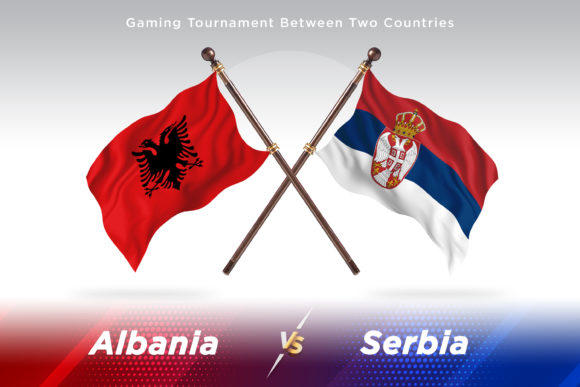
The national flag of Albania features a red background with a black double-headed eagle at its center. This design is one of the oldest continuously used national flags in Europe and dates back to the late Middle Ages. The red symbolizes bravery and sacrifice, while the black eagle represents strength and sovereignty.
Created by artist Saimir Strati in 1992, the current version of the flag replaced the communist-era flag that had been in use since 1912. The eagle holds a shield with a crown and is often surrounded by other traditional motifs, though the main elements remain the same across all variations.
Historical Significance
The Albanian flag has deep roots in the nation’s history. It was first used during the Declaration of Independence from the Ottoman Empire in 1912. Over time, it evolved through different regimes but always retained the core image of the eagle. Today, it stands as a powerful emblem of national pride and unity among Albanians around the world.
Use in Modern Contexts
In modern times, the Albania flag is prominently displayed during international events, sports competitions, and diplomatic meetings. Its presence in digital formats like those provided in the Two Flags Versus illustration allows designers to incorporate authentic visuals into presentations, infographics, and promotional content without compromising quality or accuracy.
Design and Colors
The Serbian flag consists of three horizontal stripes: red, blue, and white. These colors represent the Pan-Slavic movement and are similar to those found in other Slavic countries' flags. At the top left corner, there is a coat of arms featuring a double-headed eagle holding a sword and a shield, with a lion inside the shield.
The red stripe symbolizes courage, the blue represents loyalty and faith, and the white stands for purity and peace. The double-headed eagle, which has been a symbol of the Serbian state since the medieval era, signifies the country's historical ties to the Byzantine and Roman empires.
Historical Background
The Serbian flag has undergone several changes throughout history. The current design, adopted in 2010, is based on the flag used by Prince Miloš Obrenović in the early 19th century. Before that, the flag featured a single-headed eagle and lacked the modern coat of arms. The evolution of the flag reflects Serbia's journey through various political transformations and its enduring national identity.
Modern Representation and Digital Use
Today, the Serbian flag is flown at government buildings, public events, and international sporting matches. For digital designers, access to an isolated background illustration in formats like PSD and PNG ensures that the flag can be seamlessly integrated into visual compositions. The ability to edit via smart objects in Photoshop provides flexibility when customizing the design for different purposes.
Symbolic Rivalry and Cultural Identity
The idea of placing two flags in a versus layout may suggest a competitive or contrasting relationship between the countries involved. In the case of Albania versus Serbia, this could reflect historical tensions, cultural differences, or even friendly rivalries in sports and international affairs.
However, it's important to note that the “versus” concept here is purely symbolic and artistic. It serves as a way to visually compare and contrast the flags rather than to imply any form of hostility or conflict between the two nations. Both Albania and Serbia are members of the United Nations and have engaged in diplomatic relations over the years.
Practical Applications of the Two Flags Illustration
A well-organized illustration with the official country flags of Albania and Serbia in a 3D waving position is valuable for many industries:
- Marketing: Companies promoting regional products or services can use these flags to emphasize local connections and appeal to national audiences.
- Education: Teachers and educators can utilize the illustration in geography lessons, history classes, or cultural studies to help students visualize and understand the flags better.
- Graphic Design: Graphic designers benefit from having layered flags (PSD file) with editable smart objects, allowing for easy customization and integration into larger projects.
- Event Planning: Event organizers can use the flags in promotional banners, invitations, and decorations for international conferences or cultural festivals.
Educational Value and Cultural Sensitivity
Using the correct designs and proportions of national flags is crucial for maintaining accuracy and cultural sensitivity. Misrepresenting a flag—such as using incorrect colors or proportions—can lead to misunderstandings or even offense. That's why having an illustration of country flags with properly named layers is so beneficial.
For example, the Albanian flag must maintain the exact dimensions and placement of the eagle to be recognized officially. Similarly, the Serbian flag requires precise stripe measurements and a correctly scaled coat of arms. These details are essential when creating professional-grade designs for print or digital media.
Technical Advantages of Layered Files
The 3D waving position illustration of the two flags offers several technical advantages:
- Layer Organization: Each flag is placed on its own layer, making it easy to manipulate individual elements without affecting the rest of the design.
- Smart Object Editing: With smart objects enabled, designers can scale, rotate, or recolor the flags without losing resolution or detail.
- Multiple File Formats: Having access to both JPEG and PNG versions ensures compatibility across platforms, whether for web use or print.
- High Resolution: The 4500 x 3000 px size makes the illustration suitable for large-scale printing or high-definition displays.
Design Flexibility for Various Projects
Whether you're working on a logo design, website header, or social media graphic, the Two Flags Versus illustration can serve as a versatile asset. Here are some common scenarios where this type of illustration proves useful:
- Creating a visual comparison for geopolitical reports or articles.
- Designing merchandise such as T-shirts, posters, or mugs for fans of either country.
- Producing animated banners or motion graphics for online campaigns.
- Enhancing educational content with realistic flag animations.
Adding More Flags to the Collection
If you find yourself needing to include additional flags in your design project, most providers offer the option to expand the collection. You can request the inclusion of other official country flags not present in the original bundle, ensuring your illustration remains relevant and comprehensive for your audience.
For instance, if you're illustrating a broader Balkan region overview, adding the flags of Montenegro, North Macedonia, or Greece would provide a more complete picture. The flexibility of the file structure allows for seamless additions and adjustments, making it ideal for evolving design needs.
Technology and Creativity Meet
With the rise of digital tools, flag design has become more accessible and interactive. High-resolution illustrations like the Albania versus Serbia artwork enable creators to produce engaging content quickly and efficiently. Tools like Adobe Photoshop allow for detailed editing, including color correction, lighting effects, and positioning within complex scenes.
Moreover, the trend toward vector-based and layered assets means that professionals can now create scalable and adaptable flag designs. This shift supports both creativity and precision, helping designers meet the demands of modern branding and storytelling.
Flags in Business and Branding
National flags play a significant role in business contexts, especially for companies operating in multinational markets. A designer might use the two flags illustration to represent collaboration, competition, or coexistence between regions. For businesses in the travel, hospitality, or international trade sectors, incorporating accurate flags into marketing materials can help build trust and familiarity with diverse audiences.
Myths and Clarifications
Despite their widespread use, flags are sometimes misunderstood. One common misconception is that flags should never be altered in any way. While there are certainly guidelines about how to treat national flags respectfully, designers are often allowed to modify them for artistic or educational purposes—provided they do so accurately and appropriately.
Another misunderstanding is that all flags are created equal in terms of design complexity. In reality, flags vary greatly in style, color schemes, and symbolism. The Albania and Serbia flags are excellent examples of this diversity, each carrying unique elements rooted in their respective histories.
When to Avoid Altering Flags
Although the illustration allows for edits via smart objects, there are certain rules to follow:
- Never deface or distort the flag beyond recognition.
- Ensure the flag is used in a respectful context, avoiding any political or religious statements unless appropriate.
- Always verify the official specifications before making any changes to the design.
Conclusion: The Power of Visual Representation
The Albania versus Serbia two flags illustration is more than just an aesthetic design—it's a window into the history, culture, and identity of two nations. By understanding the symbolism and proper usage of these flags, designers can create more meaningful and impactful visual content.
As we continue to live in an interconnected world, the accurate representation of national symbols becomes increasingly important. Whether you're an educator, marketer, or creative professional, leveraging high-quality flag illustrations can elevate your work and foster greater understanding among your audience.
With the right tools and knowledge, anyone can contribute to a more informed and respectful portrayal of global cultures—one flag at a time.
Final Thoughts
By choosing an illustration with official country flags that are carefully designed and organized, you not only improve the visual appeal of your project but also honor the cultural significance behind each flag. So next time you need to showcase the spirit of a nation, remember the power of the Albania and Serbia flags—and the thoughtful design choices that bring them to life in digital formats.