Albania Versus Sudan: A Creative Concept Illustration with Official Country Flags
Understanding the Concept of "Versus" in Visual Design
The term "versus" is commonly used to represent a comparison or contrast between two entities. In visual design, this concept often takes shape through illustrations that depict opposing elements side by side. When it comes to country flags, such as those of Albania and Sudan, the "versus" theme can be both educational and artistic. It provides an opportunity to highlight cultural identities, historical backgrounds, and symbolic meanings while also serving as a powerful tool for designers and educators.
What is a Two-Flag "Versus" Illustration?
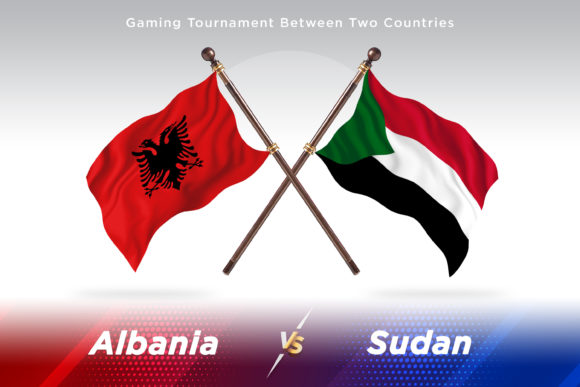
A two-flag "versus" illustration typically showcases the official national flags of two countries positioned in opposition—often waving dynamically against each other on a clean, isolated background. These illustrations are frequently used in marketing, education, sports events, political campaigns, and creative projects to emphasize differences or rivalries in a visually compelling way.
In the case of Albania versus Sudan, the design might not imply actual rivalry but could serve as a representation of contrasting cultures, histories, or geographic locations. Such an illustration allows for deeper exploration of these two distinct nations and their unique symbols.
Albania's Flag – A Historical Emblem
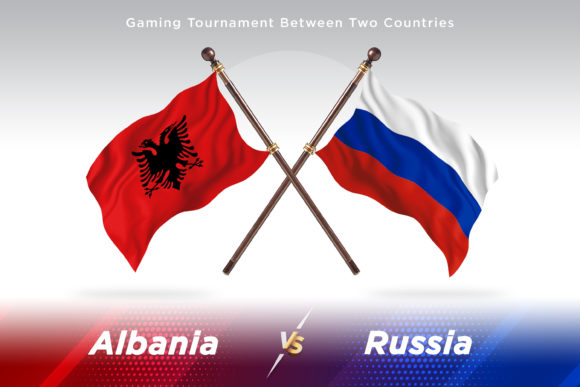
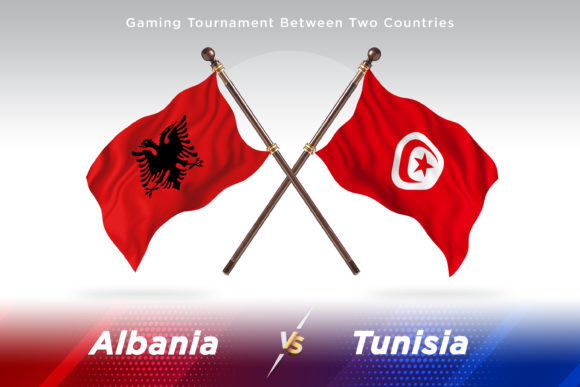
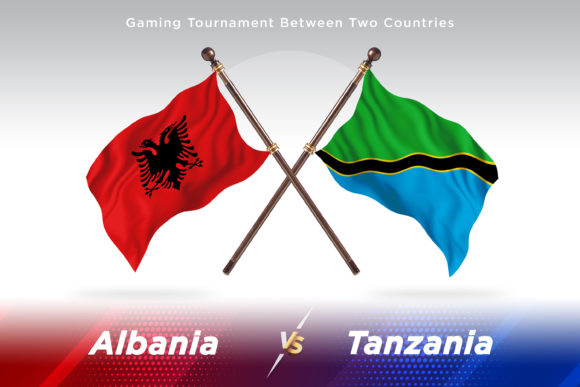
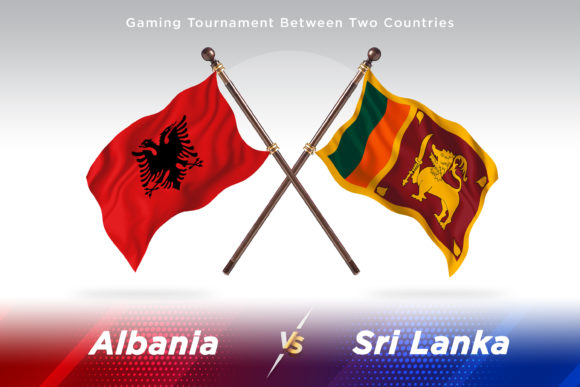
The flag of Albania features a black double-headed eagle on a red field. This emblem has deep roots in the history of the Balkans and was first adopted in 1912 when Albania declared its independence from the Ottoman Empire. The eagle symbolizes power, freedom, and sovereignty, while the red background represents the blood spilled by Albanians during their struggle for independence.
- Colors: Red and Black
- Symbol: Double-headed Eagle
- Aspect Ratio: 7:10
- Usage: National pride, international events, branding
Sudan's Flag – A Reflection of Unity and Diversity
The flag of Sudan consists of three horizontal stripes—red, white, and black—with a green triangle at the hoist end containing a crescent and a star. This design reflects the diverse heritage of the country, with the colors symbolizing different aspects of its people and history. The red stripe stands for the sacrifices made during the struggle for independence, the white for peace and harmony, and the black for the fertile land and people of Sudan. The green triangle with the crescent and star represents the Islamic faith and the unity of the nation.
- Colors: Red, White, Black, Green
- Symbol: Crescent and Star (within a green triangle)
- Aspect Ratio: 2:3
- Usage: Governmental representation, cultural identity, international relations
Designing a "Versus" Illustration: Purpose and Significance
Creating a two-flag versus illustration serves multiple purposes depending on the context in which it is used. For example:
- Education: Teachers and students can use such visuals to compare countries' symbols and learn about their respective histories and cultures.
- Marketing: Businesses aiming to expand into new markets may create these illustrations to understand or present cultural contrasts.
- Political Campaigns: During elections or diplomatic events, these designs help illustrate alliances or conflicts between nations.
- Artistic Projects: Graphic designers and illustrators often use them to explore themes like diversity, globalization, and cultural exchange.
This type of illustration can also spark interest in geography, politics, and design among general audiences, making it a versatile asset for content creators across various fields.
File Formats Included
The "Albania versus Sudan" illustration package includes the following file formats:
- PSD (Photoshop Document): Ideal for editing and customizing the design.
- JPEG: A high-resolution image suitable for print or web use.
- PNG: Transparent background version, great for overlays or digital presentations.
These formats ensure that users have flexibility in how they apply the illustration, whether for digital media, print materials, or layered graphic work.
Smart Objects and Layer Organization
One of the most valuable features of the PSD file is the inclusion of smart objects. This allows users to modify individual components of the design without compromising quality. Additionally, the layers are well organized, so each flag is on its own layer with the proper name. This makes it easy to adjust positions, sizes, or even replace one flag with another if needed.
If you need to incorporate other official country flags not included in the bundle, the design is adaptable enough to accommodate such changes. This feature is especially useful for businesses or educators who want to expand the illustration beyond just two countries.
Business and Marketing Use Cases
For companies operating internationally, understanding the visual language of different countries is essential. A flag versus illustration can be used in presentations, reports, or promotional materials to quickly convey cultural contrasts or market differences.
Imagine a presentation comparing consumer behavior in Europe and Africa. By using the Albania versus Sudan illustration, you can immediately draw attention to the regions being discussed and reinforce the message with culturally relevant imagery.
Education and Learning Tools
Students learning about global cultures or world geography can benefit greatly from visual aids like this. Instead of reading long descriptions, they can see a direct comparison of two countries' symbols and begin to form their own associations and questions.
Teachers might use the illustration to start discussions about what flags represent, how they are designed, and why certain symbols are chosen. This can lead to broader conversations about nationalism, identity, and symbolism in society.
Creative and Artistic Uses
Graphic designers often look for ways to creatively express complex ideas. A two-flag versus illustration offers a structured yet flexible format for storytelling. Whether designing a poster for a travel agency, a logo for a multicultural event, or a background for a website, having the ability to edit each flag separately enhances creativity and efficiency.
Moreover, the 3D waving position of the flags gives the illustration depth and realism, making it more engaging than static flat images. This detail is especially important when creating professional-grade graphics for clients or publications.
Editing via Smart Objects
With the provided PSD file, users can easily customize the illustration using Adobe Photoshop. Each flag is embedded as a smart object, meaning you can scale, rotate, or reposition them without losing quality. You can also change the background color or add additional elements to match your project’s aesthetic.
To edit a flag, simply double-click on the smart object layer to open it in a separate window. From there, you can modify the flag's appearance or replace it entirely with another country's official flag. This process is straightforward and maintains the integrity of the original design.
Adding More Flags
If your project requires a multi-flag illustration instead of just two, you can request additional flags to be included. The design is modular and scalable, allowing for seamless integration of new elements. This adaptability ensures that the illustration remains relevant and effective regardless of the scope of your project.
Why Choose a Professional Illustration Bundle?
Using a professionally created country flags versus illustration bundle offers several advantages over creating one from scratch. First, it saves time and effort. Second, it ensures accuracy in terms of flag design and proportions. Third, it provides a consistent style and quality level, which is crucial for any brand or educational material.
Official flags must adhere to specific guidelines regarding color codes, dimensions, and symbols. Any deviation from these standards can lead to misinterpretations or even legal issues. By working with a pre-made, high-quality illustration, you eliminate the risk of errors and maintain professionalism in your output.
Common Misconceptions About Flag Illustrations
Some people mistakenly believe that flag illustrations should always be taken literally. While flags do represent real countries and their values, in a creative context like a "versus" illustration, they can also be symbolic tools to represent concepts such as:
- Contrasting ideologies
- Different approaches to governance
- Geographic or economic comparisons
- Cultural exchanges and influences
It's important to clarify the intent behind the illustration, especially if it's being used in a public or professional setting. Transparency helps avoid misunderstandings and ensures that the audience interprets the design correctly.
Conclusion: Enhancing Global Understanding Through Design
The Albania versus Sudan two-flag illustration is more than just a visual element—it's a gateway to understanding the rich tapestry of global identities. Whether you're a designer, educator, marketer, or simply someone interested in world cultures, this illustration offers a clear and impactful way to represent two distinct nations in a single frame.
By combining technical precision with creative expression, this type of design supports modern needs in business, education, and art. It encourages curiosity, fosters respect for diversity, and enables meaningful communication across borders. With smart object layers and a clean, organized structure, it's a powerful tool for anyone looking to explore or explain the concept of country versus country in a visually appealing manner.
As globalization continues to shape our world, visual representations like these will remain vital in helping us connect, understand, and appreciate the many cultures that make up our planet.