Albania Versus Tanzania Two Flags: A Creative Concept in Global Design
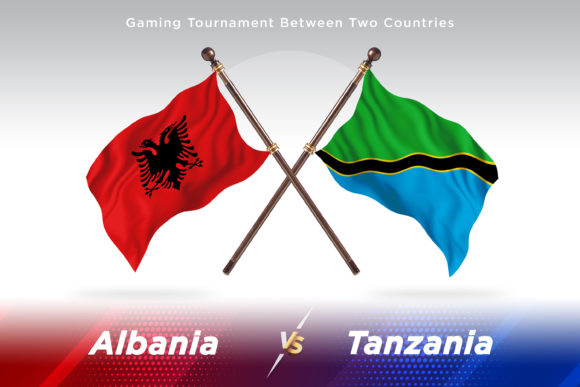
The concept of "Albania versus Tanzania two flags" has become an intriguing and increasingly popular theme in design, particularly for those interested in representing national identity, cultural contrast, or geopolitical narratives. This idea is often visualized through a 3D waving illustration where the official country flags of Albania and Tanzania are presented side by side on isolated backgrounds. Such illustrations not only serve as artistic expressions but also offer practical applications across various industries.
Understanding the Flags of Albania and Tanzania
To appreciate the significance of this design concept, it's essential to understand the flags it represents. The flag of Albania features a black double-headed eagle centered on a red field. This emblem dates back to the medieval Kingdom of Albania and symbolizes strength, sovereignty, and historical continuity. In contrast, the flag of Tanzania consists of a horizontal bicolour of yellow and green, with a black stripe running diagonally from the top left to bottom right corner, intersected by a red triangle at the hoist end. These colors represent the sun (yellow), natural resources (green), unity (black), and sacrifice (red).
Both flags are recognized internationally and are used in various contexts such as government representation, tourism, education, and branding. Their distinct designs make them ideal candidates for creative visual comparisons, especially when rendered in high-resolution formats like PSD, JPEG, and PNG.
Design Elements and File Formats
A typical "Albania versus Tanzania two flags" illustration includes several key design elements:
- 3D Waving Effect: This dynamic presentation adds realism and motion, making the flags visually engaging.
- Isolated Backgrounds: Each flag is placed on its own transparent layer, ensuring clarity and adaptability for different uses.
- Proper Flag Names: Clearly labeled layers enhance usability and accessibility for designers and editors.
- Smart Objects: Editable smart objects allow users to customize the flags without losing quality, which is especially useful for resizing or rebranding.
- High-Resolution Output: Files are typically delivered in 4500 x 3000 px resolution, suitable for both digital and print media.
Applications Across Industries
The "Albania versus Tanzania two flags" concept illustration finds utility in numerous fields. For instance, in educational settings, it can be used to teach geography, history, or political science by highlighting the unique identities of these two nations. Educators may incorporate the design into presentations or interactive learning tools to engage students with real-world examples of flag symbolism.
In the corporate world, businesses that operate internationally or have interests in both countries might use this illustration in marketing materials, reports, or infographics to emphasize their global reach. The ability to edit each flag via smart objects makes it easy to integrate the design into brand-specific templates or promotional campaigns.
For creators and designers, the layered structure of the files allows for flexibility. Whether you're working on a website layout, social media graphic, or a printed brochure, having control over individual flag layers ensures your final product remains professional and aligned with your vision.
Use Cases and Real-World Relevance
One common application is in travel and tourism content. When comparing destinations, using the flags of Albania and Tanzania can help audiences quickly identify the countries being discussed. This is particularly effective in articles, blog posts, or brochures aimed at travelers considering visits to either nation.
Another relevant use case involves political analysis or cultural comparison. By placing the flags together in a visual format, analysts can create compelling infographics that compare economic policies, cultural traditions, or historical events between the two countries. The clear separation of each flag in the design supports accurate and focused visual storytelling.
Business owners who work with international partners or clients may find value in using the illustration during pitches or proposals. It serves as a subtle yet powerful reminder of the collaboration between diverse regions, reinforcing themes of unity and mutual respect.
Technical Advantages and Workflow Integration
From a technical standpoint, the inclusion of a PSD file in the bundle is a major advantage. Photoshop’s support for smart objects and layered compositions gives designers unparalleled control. You can easily modify colors, add text overlays, or integrate other elements while maintaining the integrity of the original design.
The availability of JPEG and PNG files ensures compatibility with a wide range of platforms and devices. JPEG is ideal for web use due to its smaller file size and good quality balance, while PNG offers lossless compression and transparency—perfect for logos or overlays.
Moreover, the well-organized layers streamline workflow efficiency. Designers no longer need to manually separate or adjust flag components; everything is pre-labeled and ready for customization. This saves time and reduces errors, especially when working under tight deadlines.
Expanding the Design Concept
While the current bundle includes the flags of Albania and Tanzania, the concept can easily be expanded. If additional flags are required for a project—such as those of neighboring countries or other regions of interest—the design can be adapted accordingly. This scalability makes the "Albania versus Tanzania two flags" illustration a versatile foundation for more complex visual projects.
For example, a designer creating a map-based infographic could include the flags of surrounding African or European nations to provide context. Similarly, someone developing a multicultural event poster might add flags from various countries to reflect inclusivity and diversity.
Creative Possibilities with the Illustration
Designers are encouraged to explore the creative potential of this illustration. The 3D waving effect lends itself well to animations, allowing the flags to appear as if they’re fluttering in the wind. This can be especially captivating in video intros, banner ads, or interactive web pages.
Additionally, the flags can be used as part of larger compositions. Imagine a background featuring the flags of Albania and Tanzania alongside other symbolic elements—like mountains, oceans, or cultural artifacts—to tell a story about regional cooperation, travel routes, or trade relationships.
Because the illustration is based on official flags, it maintains authenticity and professionalism. This is crucial in contexts such as academic research, government publications, or formal business communications where accuracy is paramount.
Considerations for Use
When using the "Albania versus Tanzania two flags" illustration, there are several considerations to keep in mind. First, ensure that the usage complies with any licensing agreements or copyright restrictions associated with the design files. Second, maintain the correct aspect ratio and resolution when scaling the image for specific outputs to avoid distortion.
Also, consider the cultural sensitivity involved in presenting national symbols. While the illustration is neutral in tone, it's important to use it in a respectful manner that aligns with the intended message. Misuse of flag imagery can lead to misinterpretation or unintended offense.
Finally, always verify the accuracy of the flag representations. Although the illustration is based on official designs, minor discrepancies in color or shape can occur. Double-checking against authoritative sources helps preserve the credibility of your work.
Comparative Analysis and Visual Storytelling
Flag illustrations like "Albania versus Tanzania two flags" are excellent tools for comparative analysis. They allow viewers to see differences and similarities at a glance, making them ideal for data visualization and storytelling. For instance, a designer might use the flags to introduce a section comparing economic growth rates, population demographics, or environmental policies between the two countries.
This approach is particularly effective in long-form content where visual aids help break up dense text and improve engagement. By integrating the flags into charts, timelines, or thematic sections, creators can guide readers through complex topics with ease and clarity.
Adapting for Different Audiences
The versatility of this illustration means it can be tailored for various audiences. For professionals, it might be used in boardroom presentations or white papers to highlight strategic partnerships. For consumers, it could feature in product packaging or advertising campaigns promoting items sold in both countries.
Educators may benefit from the design by incorporating it into lesson plans or multimedia projects. Its high resolution and layered format make it easy to annotate or overlay information, enhancing its educational value. Researchers might utilize the illustration as part of their visual documentation when studying cultural or political trends related to these nations.
Hobbyists and independent creators can experiment with the flags in personal projects such as blogs, art portfolios, or community initiatives. The smart object editing feature empowers even those with limited design experience to produce polished results.
Future Trends and Adaptability
As the demand for culturally rich and globally aware content grows, the "Albania versus Tanzania two flags" concept will likely remain relevant. Future trends may see increased integration with augmented reality (AR) and virtual reality (VR) platforms, where such illustrations can come to life in immersive environments.
Moreover, the trend toward personalized and localized content suggests that customizable flag illustrations will continue to gain popularity. Whether for a multinational corporation, a travel agency, or a nonprofit organization, the ability to present flags accurately and creatively is becoming more valuable than ever.
With proper management and thoughtful implementation, this illustration can evolve alongside emerging technologies and design practices. Its foundation in official flag standards ensures it remains adaptable without compromising authenticity.
Conclusion Through Practical Insight
The "Albania versus Tanzania two flags" illustration exemplifies how national symbols can be transformed into functional design assets. By combining technical precision with artistic flair, it offers a solution that meets the needs of professionals while appealing to a broader audience. From educational materials to corporate branding, the possibilities are vast and varied.
Its layered format, smart object capabilities, and high-resolution output make it a go-to resource for anyone looking to incorporate flag visuals into their work. And with the option to request additional flags, the design remains open-ended and flexible for future projects.
Ultimately, the power of this illustration lies in its ability to bridge the gap between creativity and information. It's not just a visual—it's a tool for communication, education, and expression in a globalized world.