City Bus Stop Shelter Sign Signage: A Strategic Tool for Impactful Advertising
City Bus Stop Shelter Sign Signage is a powerful medium that bridges the gap between digital design and real-world visibility. These signs are typically installed at bus shelters, stops, and transit hubs to display advertisements, promotions, or public information. As urban mobility continues to evolve, the strategic use of such signage becomes more relevant than ever. Whether you're a marketer, designer, or entrepreneur, leveraging this form of advertising can help you reach a captive audience in high-traffic areas, making it an essential component of your visual communication strategy.
Why City Bus Stop Shelter Sign Signage Matters
Bus stop shelters serve as everyday meeting points for millions of people across cities. They offer a unique opportunity to place your message where people naturally pause—commuters waiting for their ride, tourists navigating unfamiliar streets, and locals heading to work or school. This makes them ideal for reinforcing brand presence and awareness through consistent exposure. Unlike fleeting online ads, physical signage at these locations ensures your content remains visible for extended periods, contributing to long-term memory retention and recognition.
Moreover, these signs are often designed to be weather-resistant and durable, ensuring your message stays intact under various environmental conditions. When done right, they become part of the city’s visual landscape, subtly influencing perceptions and behaviors without intruding on daily routines.
How to Use Mockups for Effective Planning
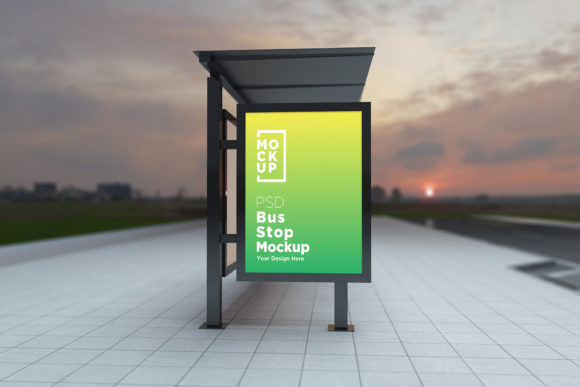
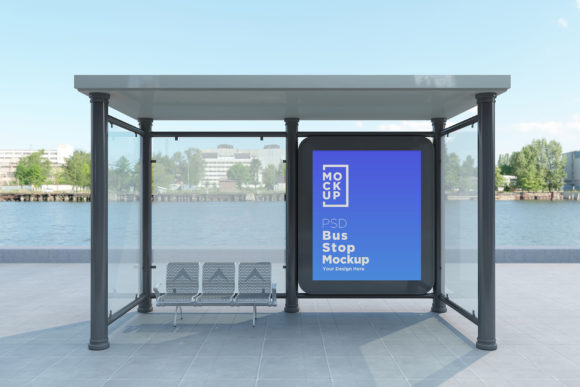
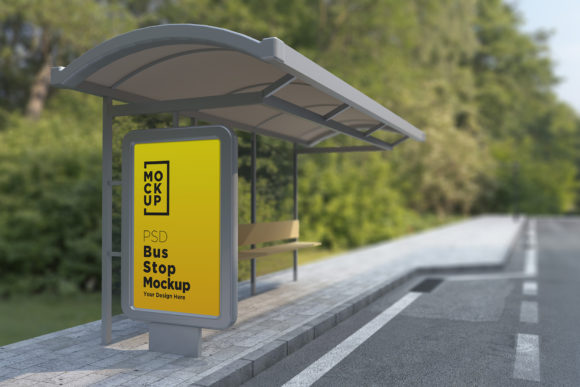
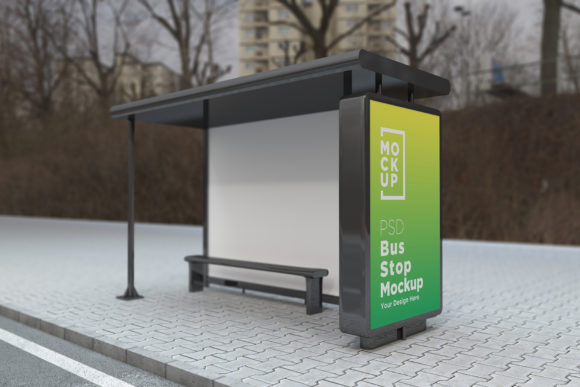
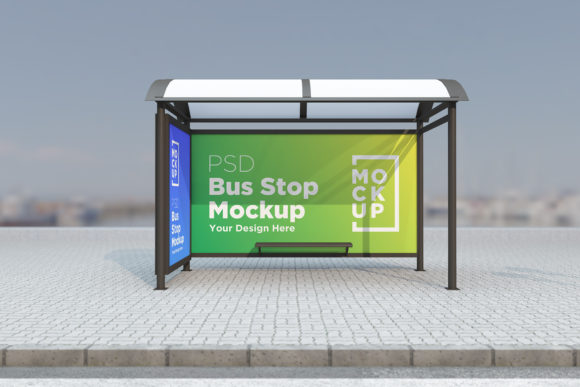
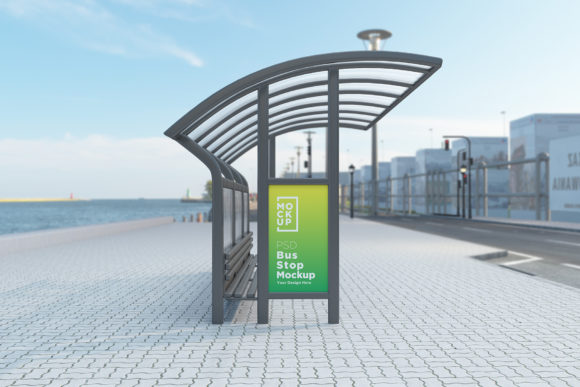
To visualize how your advertisement will appear in a real-world setting, designers and marketers turn to bus stop advertising billboard mockups. These tools provide a realistic 3D rendering of your poster within a virtual bus shelter environment. With a fully layered PSD file, you gain full creative control over every element of the mockup, from lighting to textures, allowing you to present your design with professional accuracy.
Such mockups are especially useful during client presentations. Instead of relying on imagination or generic templates, you can show a precise depiction of how your ad will look once printed and installed. This clarity fosters trust and helps stakeholders make informed decisions early in the planning phase.
Key Features of High-Quality Mockups
- Top Quality 3D Realistic V-Ray Rendering: Ensures lifelike visuals that closely mimic real-world conditions.
- Fully Layered PSD (Minimum CS6): Offers flexibility and ease of editing for advanced users.
- Smart Object Layers: Allows seamless replacement of your design while maintaining quality and alignment.
- High Resolution (5000 x 3000 pixels): Ideal for print-ready previews and detailed client reviews.
- Real Backgrounds: Provides context and authenticity by placing your ad in accurate urban environments.
- Organized Layers and Folder Names: Enhances workflow efficiency and reduces time spent on adjustments.
- 72 Dpi Image Format: Optimized for digital displays and web-based presentations.
- Included Help File: Offers guidance on using the mockup effectively, even for beginners.
Planning Thoughtfully for Maximum Impact
Before investing in City Bus Stop Shelter Sign Signage, consider the following strategic elements to ensure your efforts yield measurable results:
- Understand Your Audience: Research who uses the bus routes you're targeting. Are they young professionals, students, or families? Tailor your messaging accordingly.
- Align with Brand Goals: Determine if your objective is brand awareness, product promotion, or community engagement. Each goal may require a different tone and visual approach.
- Choose the Right Location: Not all bus shelters are equal. Consider foot traffic, visibility angles, and proximity to your target market when selecting placement.
- Optimize Visual Elements: Since readers won’t have much time to process your message, prioritize clear typography, strong imagery, and concise copy.
- Test with Mockups: Use the included PSD and JPEG files to test variations of your design before finalizing. This helps avoid costly mistakes post-production.
For example, a local coffee shop might use a bus stop sign near a university campus to promote morning specials. The mockup would allow the designer to simulate how the ad looks under different lighting—morning sun versus evening lamplight—to ensure visibility regardless of the time of day.
Creating Versatile Mockup Environments
The best mockups go beyond just bus shelters. They include a variety of urban settings like subways, parks, and street corners, giving you the freedom to explore multiple scenarios for your banner. This versatility is crucial for brainstorming and testing ideas without needing to visit each location physically. By simulating these environments digitally, you can evaluate how your design interacts with its surroundings and whether it stands out or blends in too much.
Using these mockups also streamlines your workflow. You can quickly switch between different backgrounds and settings, saving hours of manual setup. For instance, a travel agency could create a series of ads for various destinations and preview them across different transit scenes to determine which one resonates most with viewers.
Risks of Using City Bus Stop Shelter Sign Signage Without Strategy
While the potential for impact is high, so too are the risks if used haphazardly. Simply slapping up an advertisement without understanding the context or audience can lead to wasted resources and missed opportunities. An ill-placed or poorly designed sign might not only fail to attract attention but could also dilute your brand image.
Common pitfalls include:
- Overlooking readability due to poor contrast or font choices.
- Ignoring cultural or demographic nuances of the location.
- Not accounting for the size and orientation of the actual signage space.
- Designing for aesthetics alone without considering the practicality of message delivery.
Without proper planning, your ad may get lost in the clutter of other billboards and posters. This is why using a well-crafted mockup is invaluable—it allows you to preemptively address these issues and refine your approach before going live.
Strategic Use Cases Across Industries
City Bus Stop Shelter Sign Signage isn't limited to any single industry. Its adaptability makes it a valuable tool for a wide range of businesses and organizations. Here are some thoughtful applications:
Marketing and Advertising Agencies
Agencies can use these mockups to pitch clients with confidence. Presenting a 3D-rendered version of the ad in a realistic setting helps clients envision the end result and gives feedback based on tangible examples rather than abstract concepts.
Local Businesses
Small business owners benefit from the cost-effectiveness and broad reach of bus shelter ads. A bakery, bookstore, or fitness center can use these signs to build familiarity and drive foot traffic. Mockups help ensure the message is both appealing and aligned with the brand's identity.
Event Promoters
Whether promoting a concert, sports event, or festival, event promoters need eye-catching designs that stand out. Mockups allow them to experiment with color schemes, text placements, and visual hierarchy to maximize impact and attendance.
Nonprofits and Community Organizations
These groups can leverage bus shelter signage to spread awareness about social causes, volunteer opportunities, or educational campaigns. The mockups help maintain a consistent message across multiple locations and formats.
Maximizing Creativity and Productivity
One of the biggest advantages of using a fully layered PSD mockup is the ability to iterate quickly. Designers can easily swap out images, adjust colors, or modify layouts without disrupting the realism of the scene. This iterative process supports creativity by encouraging experimentation and refinement.
Additionally, the inclusion of a help file ensures that even those new to Photoshop can navigate the mockup efficiently. This lowers the barrier to entry and empowers teams to produce high-quality visuals without requiring extensive technical expertise.
Consider using the mockup as part of your creative toolkit during ideation sessions. Presenting a sample layout in a realistic 3D environment can spark better discussions and more innovative solutions among team members and clients alike.
Long-Term Value and Decision-Making Guidance
When evaluating the long-term value of City Bus Stop Shelter Sign Signage, it’s important to measure it against your broader marketing and branding goals. Will the ad reinforce your brand’s identity? Does it support customer acquisition or retention? How does it fit into your overall communication strategy?
Use the mockup to answer these questions visually. For example, if your brand emphasizes sustainability, test how your ad performs in green spaces like parks or alongside eco-friendly infrastructure. If your focus is tech innovation, try subway stations or modern transit centers. Seeing the design in context can reveal insights that aren’t apparent in a studio setting.
Another key decision point is timing. Seasonal campaigns, product launches, or promotional events should align with the mockup’s simulated environments. A summer beverage campaign displayed next to a shaded bus shelter might feel more relatable and timely compared to one placed in a winter setting.
Branding and Customer Experience Considerations
Your brand needs to speak consistently across all touchpoints. Bus stop signage is no exception. Ensure your design includes recognizable logos, fonts, and color schemes that match your existing branding materials. Consistency builds trust and reinforces brand recall.
From a customer experience perspective, signage should be informative and engaging. It should either solve a problem (e.g., showing store hours) or provoke interest (e.g., highlighting a new product). Avoid clutter and ensure your core message is immediately graspable. Think of the sign as a conversation starter—not a monologue.
Mockups help you balance these considerations. You can test how different versions of your message affect viewer perception and adjust accordingly. This iterative process ensures your final output is both strategic and impactful.
Final Thoughts on Intentional Use
City Bus Stop Shelter Sign Signage is a potent channel for reaching audiences in urban environments. However, its effectiveness depends on how thoughtfully it’s planned and executed. By using high-quality 3D mockups, you can bring your vision to life with precision and clarity, avoiding missteps that come with guesswork.
Whether you're launching a new product, building brand awareness, or supporting a local initiative, these mockups give you the tools to make informed decisions and deliver compelling results. Remember, the goal is not just to place an ad, but to create an experience that resonates with people at the right moment in the right place.
With the included assets—such as the PSD, JPEG, and help file—you’re equipped to craft, present, and perfect your designs. Should you encounter challenges or need clarification, don’t hesitate to reach out via the designer’s profile page or email. Support is available to help you achieve your objectives efficiently and professionally.