Albania Versus Belarus: A Visual Contrast Through Country Flags
Flags are more than just pieces of cloth or digital illustrations; they represent the identity, history, and values of a nation. When comparing flags from different countries, such as Albania versus Belarus, one can uncover rich cultural narratives and historical contexts that shape these powerful symbols. This article explores the official country flags of Albania and Belarus, their design elements, meanings, and how they fit into the broader concept of using flags for visual contrast in design.
The Official Flag of Albania
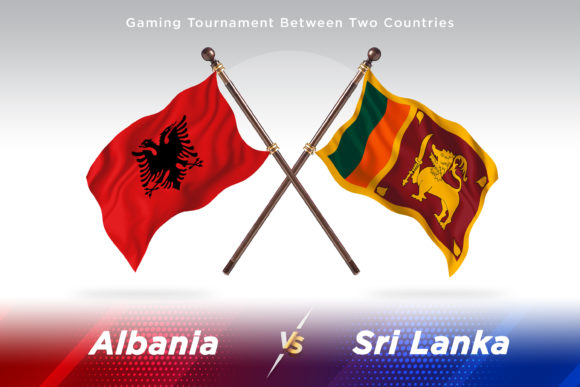
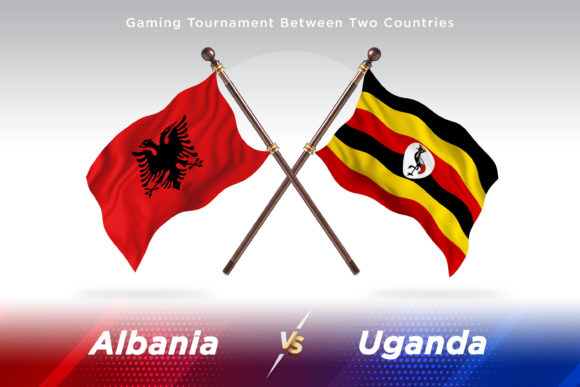
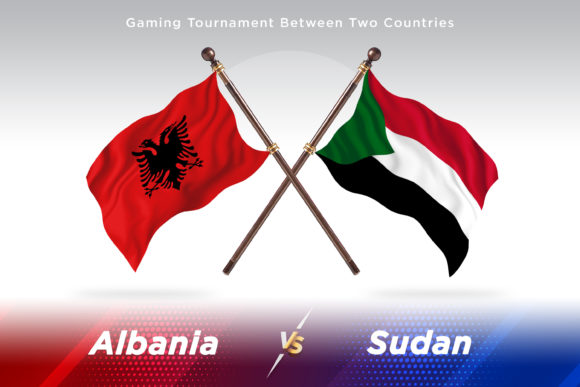
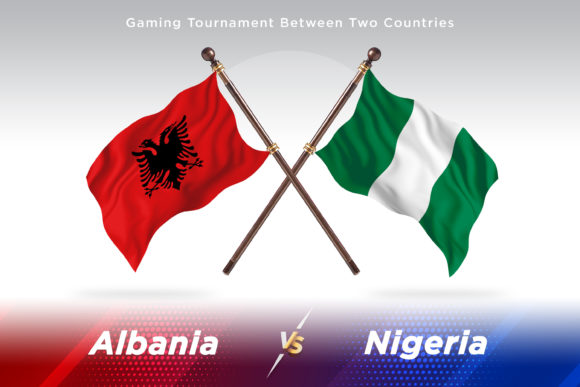
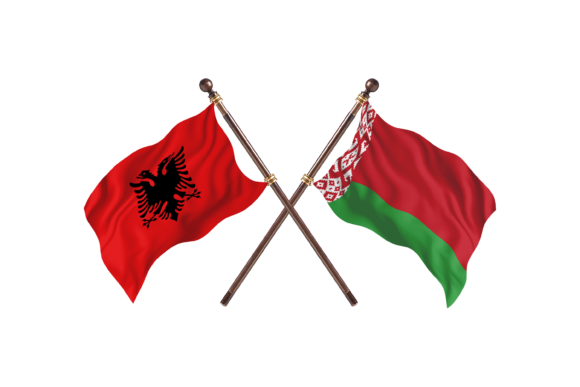
The national flag of Albania is a striking and simple design consisting of a red background with a black double-headed eagle at its center. The eagle symbolizes strength, independence, and sovereignty, while the red field represents bravery and sacrifice. This design has deep roots in the history of the Balkans and is often associated with the medieval Kosovo battle flag, which played a significant role in Albanian national consciousness.
Albania’s flag is commonly used in various global contexts — from international sports events to political campaigns and branding. Its bold colors and iconic emblem make it instantly recognizable, allowing designers to incorporate it easily into multimedia projects. Whether you're working on an infographic, a presentation, or a promotional poster, having access to high-resolution, well-organized assets like the Albania versus Belarus two flags illustration makes the creative process seamless.
The National Flag of Belarus
In stark contrast, the Belarusian flag features a white background with a red horizontal stripe at the bottom. The white stands for peace, honesty, and purity, while red symbolizes courage and vitality. This design was officially adopted in 1995 after the dissolution of the Soviet Union and reflects the country's transition to modernity and its aspirations for unity and progress.
Belarus’ flag may appear minimalist compared to other national symbols, but it carries profound meaning. In design, this simplicity allows for easy integration into compositions where clarity and elegance are key. When paired with the Albania flag in a two flags versus format, it creates a compelling visual narrative that highlights both cultural differences and shared human experiences.
Visual Design and Concept Illustration: Why It Matters
When creating content that involves multiple countries, using official country flags adds authenticity and professionalism. For instance, if you're illustrating a geopolitical comparison, a sports match between teams from these nations, or even a travel guide, having accurate and editable flag representations is essential.
A popular approach among designers is to use layered PSD files that allow each flag to be manipulated individually. The Albania versus Belarus two flags concept illustration typically includes:
- One PSD file (4500 x 3000 px): High resolution suitable for print and web use.
- JPEG and PNG formats: Ready-to-use images for quick sharing or embedding.
- Smart objects: Editable layers for customizing size, color, or placement without losing quality.
- Well-organized layers: Each flag is isolated and clearly labeled for ease of use.
This level of detail ensures that the final output is not only visually appealing but also technically sound, making it ideal for professionals in marketing, education, journalism, and beyond.
Understanding the "Versus" Concept in Flag Illustrations
The term “versus” is Latin for “against,” and in the context of flag illustrations, it refers to the juxtaposition of two national symbols for comparative purposes. An Albania versus Belarus two flags design might be used in a variety of scenarios, including:
- Political analysis: Comparing foreign policies, economic strategies, or cultural diplomacy efforts.
- Sports events: Highlighting matches between teams representing these two countries.
- Educational materials: Teaching geography, politics, or cultural studies through visual representation.
- Design portfolios: Showcasing the ability to work with real-world imagery and symbolism.
These types of illustrations help viewers quickly grasp the differences between two nations, especially when those distinctions are subtle or complex. By placing the flags side by side in a waving 3D position, the designer enhances the dynamic feel of the composition, drawing attention to the visual impact of the comparison.
How to Use Two Flags in Your Projects
Whether you’re a graphic designer, educator, or business professional, incorporating the Albania versus Belarus two flags illustration into your work can add depth and clarity. Here’s how to make the most out of this resource:
- Edit via smart objects: This feature allows you to modify the flags' positions, sizes, and backgrounds without affecting the original artwork.
- Use layered PSD files: Easily adjust lighting, shadows, or effects to match your project’s aesthetic.
- Combine with additional flags: If your design requires more than two flags, you can request others to expand the visual scope.
- Ensure proper naming and labeling: Well-organized layers prevent confusion during the editing process, especially when handling multiple elements.
With these tools at hand, you can create compelling visuals that serve both artistic and informational purposes. For example, a business report analyzing trade relations between Eastern Europe and the Balkans could benefit from a clear and professional layout featuring the respective flags in a two flags versus format.
Why Official Flags Matter in Global Communication
Using official country flags in any visual project is important because it upholds accuracy and respect. Flags are protected symbols in many countries, and misrepresenting them can lead to misunderstandings or even legal issues. That’s why designers and illustrators must ensure they are using the correct versions of these emblems.
For instance, the Albanian flag must always maintain the proportions of the red field and the black eagle, while the Belarusian flag should preserve the exact ratio of the white to red stripes. These details might seem minor, but they contribute significantly to the legitimacy and effectiveness of the design.
Common Misconceptions About Flags
There are several myths and misconceptions about flags that can affect how they are used in design:
- Myth 1: All flags are public domain. Reality: Many flags are subject to copyright laws or require permission for certain uses.
- Myth 2: Any version of a flag will do. Reality: Official flags have strict specifications, and deviations can be seen as disrespectful.
- Myth 3: Flags are only for government use. Reality: They are widely used in media, education, and commercial sectors — provided the usage is appropriate and respectful.
By understanding these nuances, creators can avoid common pitfalls and produce designs that are both informative and culturally sensitive.
Flags in Modern Creativity and Technology
As technology advances, so does the way we use flags in digital media. From website banners to mobile app icons, flags play a crucial role in identifying regions, cultures, and communities. The Albania versus Belarus two flags illustration is particularly useful in today’s digital landscape due to its high resolution and layered structure.
Here are some practical applications:
- Web design: Flags can be used to indicate language options or regional preferences.
- App development: Integrating flags into user interfaces helps users identify content relevant to their location.
- Social media: Using flags in posts or stories can increase engagement by adding visual interest and cultural relevance.
- Presentations: Pairing flags with data points or maps can enhance storytelling and provide immediate visual context.
Moreover, the availability of PSD and vector-based formats means that designers can scale and adapt the flags to suit any platform, from small screens to large billboards. The inclusion of JPEG and PNG versions offers flexibility for those who need ready-to-use assets without the hassle of layer management.
Expanding the Concept: More Than Just Two Flags
While the focus here is on Albania versus Belarus, the concept of using flags in a “versus” format is highly adaptable. You can compare flags from any two countries to explore themes like:
- Cultural heritage
- Historical conflicts
- Modern alliances
- Economic partnerships
- Linguistic differences
Such comparisons are valuable in educational settings, helping students understand the diversity of the world around them. They are equally useful in corporate environments, where visual aids can clarify complex international relationships or market dynamics.
Conclusion
The Albania versus Belarus two flags illustration is more than just a visual asset — it's a tool for communication, education, and creativity. By leveraging the power of official country flags, designers and educators alike can craft engaging content that informs, inspires, and connects audiences across the globe.
With the right resources, such as high-quality PSD files, organized layers, and scalable image formats, creating meaningful visual contrasts between nations becomes easier and more impactful. Whether you're designing for a global audience or simply exploring the symbolic differences between two countries, understanding and utilizing flags correctly is key to success.
If your next project calls for more flags or a different combination, don’t hesitate to reach out for additional support. After all, every flag tells a story — and the right illustration can help you tell yours more effectively.